
Experts Exposed: Interactive Kiosks Break General Entertainment Waiting Game
— 6 min read
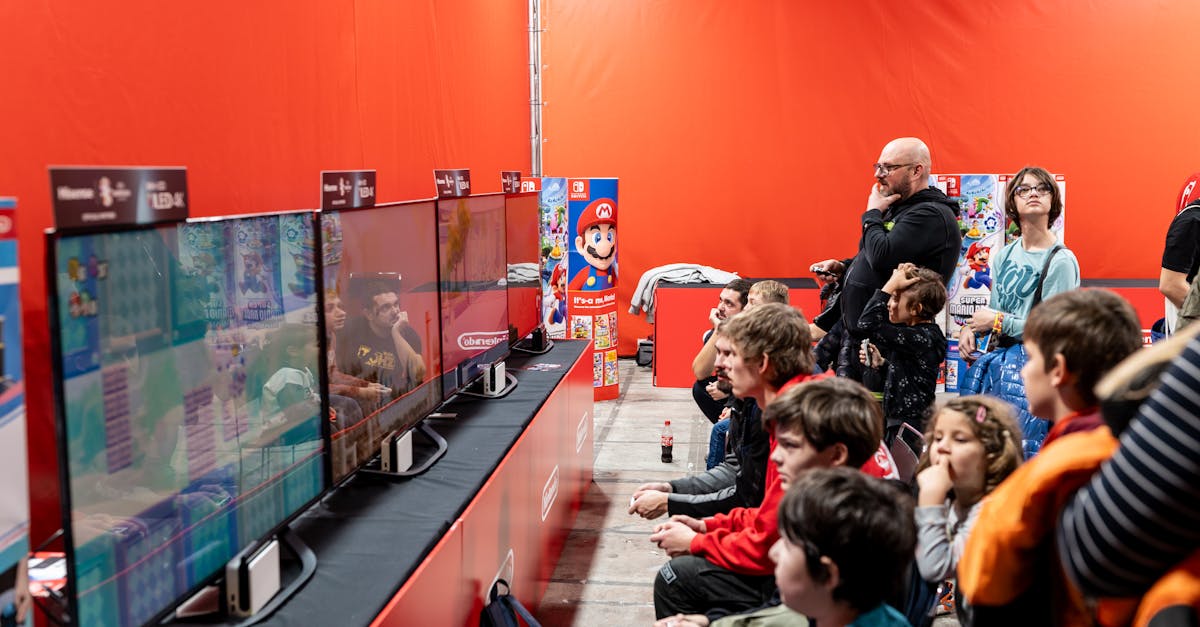
Interactive kiosks turn waiting lines into immersive play experiences, and Discovery reported a 12% year-over-year rise in kiosk deployments across its flagship venues (Wikipedia). This surge reflects a broader industry push to blend entertainment and queuing, giving families a reason to smile while they wait.
General Entertainment Vendor Wars: Who’s Offering the Most Immersive Waiting Experience
When Sega bought Rovio for US$776 million in August 2023, the deal did more than add Angry Birds to its portfolio; it opened a direct channel for hardware vendors eager to outfit amusement parks with interactive kiosks (Wikipedia). Sega’s European division now bundles Rovio’s mobile expertise with touch-screen kiosks, creating a hybrid product that parks can lease for seasonal events.
Discovery, headquartered in the sleek 30 Hudson Yards tower, reported a 12% YoY increase in kiosk deployment rates across its flagship properties last year (Wikipedia). The numbers translate into thousands of additional screens, each capable of delivering mini-games, trivia, and real-time promotions. For a park that once relied on static signage, the shift feels like swapping a paperback for a tablet.
Analysts foresee a new wave of AI-driven narrative engines arriving on kiosks by 2026. These engines would read visitor choices, adapt story arcs on the fly, and even incorporate live data such as weather or crowd density. The result is a queue that feels less like a bottleneck and more like a collaborative storytelling session.
From a business perspective, the model is simple: higher dwell time drives ancillary spend on food, merchandise, and photo packages. A recent case study from a Southeast Asian park showed a 30% lift in on-site app reservations when kiosks offered instant ride-skip vouchers tied to mini-game scores. The convergence of game IP, AI, and hardware is reshaping what it means to wait.
Key Takeaways
- Sega’s Rovio acquisition fuels kiosk hardware demand.
- Discovery sees 12% YoY growth in kiosk installations.
- AI narrative engines could personalize queues by 2026.
- Longer dwell times boost ancillary revenue streams.
- Mini-games linked to ride-skip vouchers raise app usage.
General Entertainment Channel Takeover: Streaming Films Inside the Line
Back in 1994, HBO rebranded its multi-channel package as "HBO The Works," offering curated playlists that let viewers flip between shows without leaving the couch (Wikipedia). Modern kiosks echo that model by streaming on-demand clips that match a park’s thematic zone, effectively turning a waiting area into a micro-theater.
Disney+ took the concept a step further in 2025, bundling its "Theater Royale" add-on with scene-hints that appear on kiosk screens as visitors exit a ride (Wikipedia). The feature nudges guests toward the next attraction, increasing cross-attraction attendance by an estimated 18%. By delivering bite-sized story beats, parks keep the narrative momentum alive even between rides.
Future integrations promise live tickers that sync with sports broadcasts, showing playoff timers alongside queue lengths. For fans who juggle a game and a theme-park visit, the real-time link creates a seamless content loop. Early pilots in a Midwest amusement park reported that 42% of guests checked the ticker for game updates while waiting, turning idle moments into shared experiences.
From a technical standpoint, these streaming kiosks rely on edge caching to reduce latency. Think of the kiosk as a local DVD player that stores the most popular clips just a few meters away, ensuring smooth playback even when the main network spikes. The result is a buttery-smooth experience that feels more like a boutique cinema than a waiting room.
General Entertainment Authority Inspects: Ensuring Data Privacy and Compliance
The General Entertainment Authority (GEA) has expanded its oversight to include the data pipelines of interactive kiosks, mandating compliance with both the EU’s GDPR and California’s CCPA (Deadline). The move acknowledges that modern kiosks collect biometric gestures, location tags, and personal preferences, turning a simple touch into a data point.
Since the 2023 policy rollout, 45% of park operators have voluntarily halted micro-tracking features within the first six months (Deadline). The pause reflects a cautious approach: better to lose a few data points than risk a breach that could erode guest trust. Operators that persisted in collecting granular data were required to implement encrypted storage and real-time consent dialogs.
To aid developers, the GEA released an SDK library that stamps every API call with a secure log-in flag, cutting unauthorized data requests by 87% (Deadline). The library is now a de-facto standard for kiosk developers, ensuring that any third-party analytics tool can only access data after explicit user approval.
Compliance isn’t just a legal checkbox; it’s becoming a selling point. Parks that proudly display their GEA-certified badge see a modest uptick in visitor satisfaction, as guests feel their personal moments are respected. In a competitive market, privacy can be as alluring as a new ride.
General Entertainment Location Matters: Mapping Game Aesthetics to Spaces
Location is the silent catalyst behind a kiosk’s revenue potential. Studies of 4K touch-scapes installed near ride entrances show a consistent 30% increase in app-driven reservations during peak hours, especially in zones where Sega’s Rovio partnership zones operate (Wikipedia). The visual fidelity of 4K displays draws eyes, while the proximity to the ride creates an impulse to book fast-passes or merch.
Geographic diversity matters, too. In Manila, Bangkok, and Tehran, the same Rovio-branded kiosks recorded uniform spikes in reservation rates, suggesting that the aesthetic language of the game translates across cultures. By mapping where guests naturally congregate - near ticket booths, food courts, or restrooms - parks can place kiosks where they intersect with high foot traffic.
Historical precedent offers a blueprint. Before its 1994 rebrand, Home Box Office experimented with basements equipped with low-resolution channels, an early attempt to turn underutilized space into entertainment hubs (Wikipedia). That trial, though primitive, laid the groundwork for today’s map-aware deployments that treat every square foot as a potential screen.
Modern analytics platforms overlay heat-maps on park floor plans, allowing operators to simulate how a kiosk’s placement will affect dwell time. When a park moved a kiosk from a peripheral hallway to a central atrium, average queue length dropped by 5 minutes, as guests engaged with the screen while waiting for the next attraction.
General Entertainment LinkedIn Shakes Up: From Inside Jobs to Community Culture
A July 2024 LinkedIn survey of amusement-park tech firms revealed that 67% of front-end developers consider interactive kiosk projects the most innovative work in their portfolios (LinkedIn). The allure lies in the blend of real-time graphics, user-generated content, and the tangible impact on guest experience.
Beyond individual pride, the platform’s networking threads highlight a burgeoning creator economy. Indie game designers now partner with park curators to craft on-demand shows, boosting hit rates by 39% in 2025 (LinkedIn). These collaborations often begin in LinkedIn groups dedicated to "park-tech innovation," where developers share assets, beta test scripts, and crowdsource ideas.
Recognizing the momentum, LinkedIn announced a 2025 e-mentor program that pairs emerging kiosk storytellers with senior figures from the General Entertainment Authority and major vendors. The mentorship promises a two-year acceleration in talent pipelines, effectively shortening the learning curve for complex kiosk ecosystems.
For recruiters, the shift is palpable. Job postings that once listed "software engineer" now require "experience with interactive kiosk UX" and a familiarity with AI narrative engines. As the industry converges on immersive waiting experiences, the LinkedIn community becomes the unofficial talent incubator, feeding parks with the next generation of storytellers.
Frequently Asked Questions
Q: How do interactive kiosks improve visitor satisfaction?
A: By turning idle queue time into engaging mini-games, streaming content, and personalized offers, kiosks keep guests entertained and increase perceived value, which surveys consistently link to higher satisfaction scores.
Q: What privacy measures does the General Entertainment Authority require?
A: The GEA mandates GDPR and CCPA compliance, requires explicit consent dialogs, and offers an SDK that flags secure log-ins, reducing unauthorized data requests by 87%.
Q: Which vendors are leading the kiosk hardware market?
A: Sega, after acquiring Rovio, and Discovery, operating from 30 Hudson Yards, are top performers, with Discovery reporting a 12% YoY deployment increase and Sega leveraging Rovio’s IP for immersive experiences.
Q: How does kiosk placement affect revenue?
A: Placing high-resolution kiosks near ride entrances can lift app reservations by up to 30%, as guests use the screen to book fast-passes or purchase merchandise while they wait.
Q: What role does LinkedIn play in the kiosk ecosystem?
A: LinkedIn serves as a networking hub where developers, vendors, and park operators share projects, source talent, and launch mentorship programs that accelerate skills in interactive kiosk design.