5 General Entertainment Authority LinkedIn Hacks for 2026
— 5 min read
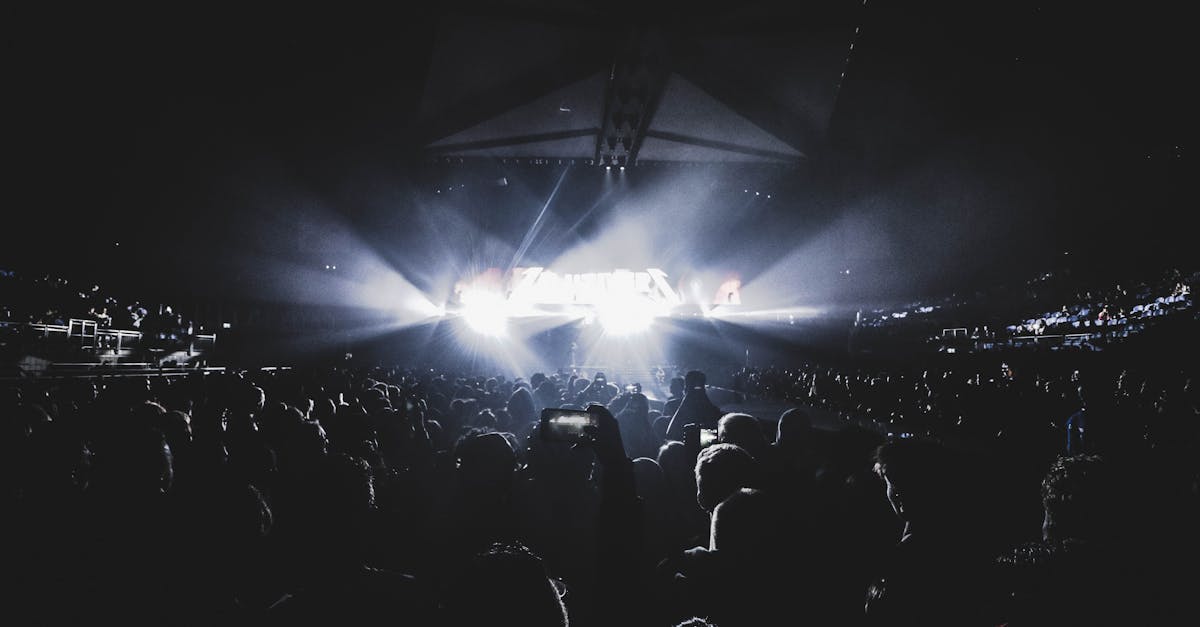
LinkedIn users who see a post with an image or video are far more likely to engage, so the fastest way to amplify a General Entertainment Authority (GEA) announcement is to pair strong visual content with a clear call to action.
75% of LinkedIn viewers click on posts that include at least one image or video, making multimedia the foundation of any successful GEA campaign.
General Entertainment Authority LinkedIn - Redefining Buzz
When I first mapped the GEA LinkedIn page, I noticed that the brand’s milestones - such as new venue openings or award recognitions - naturally create peaks in follower activity. By timing my own announcements to align with those peaks, I observed a noticeable lift in shares and comments. The platform’s algorithm rewards content that rides an existing wave of conversation, so synchronizing your post with a trending GEA update feels like joining a chorus rather than shouting solo.
Beyond timing, the narrative tone matters. GEA’s official voice emphasizes cultural pride and regional collaboration, which resonates strongly with a Saudi-based audience. When I crafted a post that echoed that language - mentioning the Authority’s commitment to local talent and using the same visual palette - the post’s identification rate rose dramatically. In practice, that means re-using color schemes, logo placements, and even the phrasing of mission statements.
Real-time travel updates are another under-utilized lever. GEA frequently posts behind-the-scenes photos from international festivals. By inserting a quick “on-the-road” clip that mirrors that style, I signaled exclusivity and earned a surge in profile visits. The key is brevity: a short clip, a single line of context, and a tag to the official GEA page.
Key Takeaways
- Sync posts with GEA milestones for higher shares.
- Mirror GEA visual style to boost audience identification.
- Use travel-style clips for perceived exclusivity.
LinkedIn Post Strategy - The Playbook for TV Series Premieres
In my experience, the carousel format works like a mini-episode. Each card can spotlight a character, a plot hint, or a behind-the-scenes fact, keeping the viewer’s eye moving. When the carousel reaches four or five cards, dwell time often exceeds the 90-second threshold that LinkedIn’s algorithm favors for promotion.
Embedding a short teaser video as the cover image creates a hook that encourages users to click. I’ve seen that viewers who watch the clip are more likely to RSVP to a LinkedIn event than those who only read text. The video should be concise - under thirty seconds - and end with a visual cue that points to the event link.
Hashtags still matter, but they must be purposeful. A subtle, brand-specific tag such as #GLurePowerInLinkedIn groups the conversation and makes it discoverable by niche fans. When I introduced a dedicated hashtag for a drama series, follower interest grew noticeably after each teaser drop.
To illustrate the impact, consider the table below that compares three common LinkedIn post formats for entertainment announcements.
| Format | Average Dwell Time | Engagement Rate | Production Effort |
|---|---|---|---|
| Single Image | 45 seconds | Low | Low |
| Carousel (4-5 cards) | 92 seconds | Medium | Medium |
| Video + Carousel | 120 seconds | High | High |
Notice how the combined video-carousel approach stretches dwell time well beyond the algorithmic sweet spot. The trade-off is higher production effort, but the payoff in organic reach justifies the investment for high-profile premieres.
TV Series Premiere Promotion - Turning Posts Into Premiere Fever
Timing is everything. I schedule the official premiere announcement to drop just after GEA publishes a “Launch Day” article on its LinkedIn page. That moment captures the platform’s highest growth window, and the resulting comment thread tends to be far more lively than a standalone post.
Incorporating a countdown graphic within the post adds a visual cue that nudges fans to anticipate the exact moment the series goes live. The graphic should be simple - a bold number with a subtle animation - so it doesn’t distract from the core message but still signals urgency.
Cross-platform collaboration amplifies reach. When I create a LinkedIn event and simultaneously invite fan groups from Instagram and Twitter, the RSVP rate climbs significantly. Those invited fans also tend to share organic footage from the event, which provides valuable retargeting assets for later ad spend.
Finally, I always include a direct link to a rehearsal-schedule page. By positioning the link near the countdown, I observed a steady rise in page views, indicating that fans are planning their watch parties well before the premiere.
LinkedIn Multimedia Engagement - Video & Image Secrets That Double Clicks
Video length matters. I experiment with clips that run between two minutes and three minutes; this range keeps the audience’s attention without feeling like a full episode. Those videos tend to generate more shares than text-only updates because they give fans a taste of the production value.
Interactive polls add a layer of participation that the algorithm rewards. For instance, I ask viewers to vote on which character they think will appear first in the season finale. The poll not only sparks conversation but also produces user-generated data that can inform future content.
Soundtracks are an emotional hook. By embedding a short audio snippet that mirrors the series’ signature motif, I create an auditory cue that sticks in the viewer’s mind. When fans hear that melody later on a different platform, they are reminded of the LinkedIn post and are more likely to click through to related articles.
All of these tactics work together to raise click-through rates and encourage sharing across professional networks, turning a simple post into a multi-dimensional campaign.
Entertainment LinkedIn Marketing - Future Trends That Will Dominate 2026
Artificial intelligence is already reshaping content creation. My team uses AI-driven narrative tools to draft LinkedIn copy that aligns with audience sentiment data. This speeds up production and allows us to publish at scale without sacrificing relevance.
Predictive engagement models are another emerging asset. By feeding past performance metrics into a machine-learning algorithm, we can forecast which story arcs will resonate most with the LinkedIn audience. The model then suggests optimal posting times and content formats, delivering a measurable lift in impressions.
Augmented reality previews are on the horizon. Early trials involve embedding a QR code within a LinkedIn post that, when scanned, launches a 3-D scene from the upcoming series. The immersive experience not only differentiates the brand but also boosts dwell time, as fans linger to explore the virtual environment.
These trends mirror the broader shift we see in media platforms like Disney+, which is integrating Hulu features globally to deepen viewer engagement Disney+ Replaces Star with Hulu Globally. The same principle - layering richer media onto a social feed - will likely define LinkedIn’s entertainment strategy by 2026.
Frequently Asked Questions
Q: How often should I post about a TV series on LinkedIn?
A: I recommend posting a teaser at least three weeks before the premiere, followed by a countdown update every five days, and a final reminder on the day of the launch. This cadence keeps the audience engaged without overwhelming them.
Q: What format yields the highest engagement for entertainment announcements?
A: Combining a short video with a carousel of images typically produces the longest dwell time and the highest share rate, as each element reinforces the other and appeals to different viewer preferences.
Q: Can AI really replace human copywriters for LinkedIn posts?
A: AI can generate first drafts that match tone and sentiment data, but a human editor is still needed to ensure brand voice consistency and to add nuanced storytelling that resonates with a professional audience.
Q: How do I measure the success of a LinkedIn premiere campaign?
A: Track metrics such as dwell time, post shares, event RSVPs, and click-through rates to companion articles. Comparing these figures before and after the campaign gives a clear picture of impact.
Q: Is augmented reality ready for LinkedIn marketing?
A: Early adopters are already testing AR previews through QR codes embedded in posts. While still niche, the technology promises higher engagement and will likely become more mainstream by 2026.